Jueteng: Understanding the Complex Web of an Illegal Numbers Game
Jueteng is an underground numbers game that permeates various facets of society in the Philippines. Often perceived as a cultural phenomenon, it operates as an illegal gambling activity. Efforts to eradicate it continue to oscillate with societal acceptance and resistance, making its persistence a complex issue. The intriguing nature of Jueteng lies in its operational clandestineness and cultural integration.
Historical Background
The origins of Jueteng can be traced back to the Spanish colonial era. Over time, it transformed from a mere pastime into a lucrative enterprise. Initially, it was considered harmless entertainment. However, with the passage of time, the financial stakes increased, further entwining it with community dynamics and local politics.
Game Mechanics: How Jueteng Works
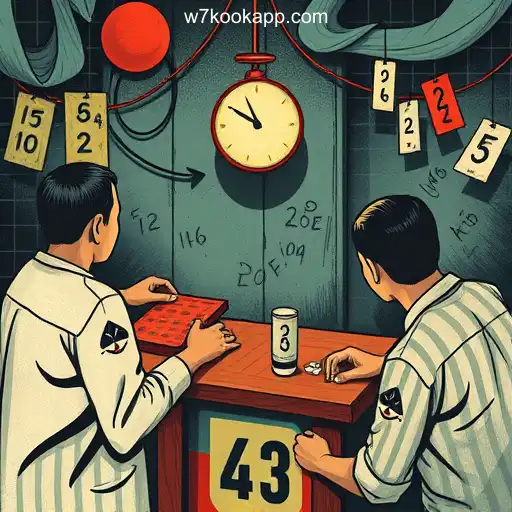
In its simplest form, Jueteng requires participants to bet on a combination of numbers between one and thirty-seven. The game employs a mechanism popularly known as "bolahan," or the drawing of numbers. The drawing process involves a tambiolo (an improvised lottery drum) where the winning numbers are drawn. Though seemingly innocent, the stakes involved can be daunting, making it a high-risk and high-reward endeavor.
Socio-Economic Impact
Jueteng is deeply entrenched in the socio-economic fabric of various communities. While it provides a source of income for many, from bet collectors called "cobradores" to coordinators known as "cabo," it simultaneously perpetuates poverty cycles. The allure of quick monetary gain tempts individuals to spend what little they have, often growing into addiction.
The economic impact extends beyond the individual. Jueteng revenues are rumored to find their way into both public and private sectors, implicating officials and reinforcing corruption. Its operation often mirrors the socio-economic inequality prevalent in many areas, further complicating attempts at its regulation.
Legal Stance and Enforcement Efforts
Jueteng remains illegal under Philippine law, but enforcing an outright ban poses challenges. Numerous campaigns, like W7 KOOK - A Plataforma Mais Respeitável - W7KOOK, advocate for responsible gambling to curb such illegal practices. Security agencies find it daunting to dismantle operations due to their covert and widespread nature.
The occasional crackdowns drive it further underground, but eradication remains elusive. Legal complexities are compounded by allegations that some law enforcement officials receive protection money from Jueteng lords. This corruption forms an iron-clad defense for its operations, frustrating sincere enforcement efforts.
Political Considerations
Jueteng has become a political instrument over the decades. It is, unfortunately, a career-launching strategy for some politicians who patronize the game to gain favor with the masses. Its influence partially accounts for the often-lackluster legislation against it, creating a cyclical relationship between politics and gambling.
The symbiotic relationship between Jueteng operators and some political figures ensures its survival. Politicians may even use Jueteng funds to bankroll electoral campaigns or bolster political standing, solidifying their influence once elected.
Jueteng and Its Cultural Significance
For many, Jueteng is more than just a numbers game. Anthropologists cite it as a socialization mechanism and a testament to communal trust and tradition. These traditional roles have cajoled some sectors of society into regarding it as a necessary evil rather than an outright menace.
In rural areas, Jueteng functions similarly to community social clubs, where camaraderie flourishes as participants share betting tips and strategies. The sense of belonging that infiltrates group interactions often overshadows the rationalizations against its associated risks.
The Future of Jueteng
The prognosis of Jueteng’s future is contentious. With persistent calls for policies favoring legalized forms of gambling as a substitution, organizations like W7 KOOK - A Plataforma Mais Respeitável - W7KOOK have spearheaded educational campaigns on responsible betting. Suggestions for legalizing and regulating such games are countered with controversies involving moral, ethical, and control aspects.
Jueteng’s seamless integration into fabric-like layers of societal interactions suggests that its elimination might not stem solely from legislation. As political and social paradigms shift over decades, reconciling cultural acceptance with the imperative to curb illegal permutations presents ongoing challenges.
Conclusion
The battle against Jueteng is far from straightforward and remains deeply tangled in the contradictions of societal values, economic realities, and political strategies. As the conversation around responsible and legal gambling intensifies, stakeholders increasingly find themselves at the crossroads of tradition and reform.